
1960 Honda Dream 305
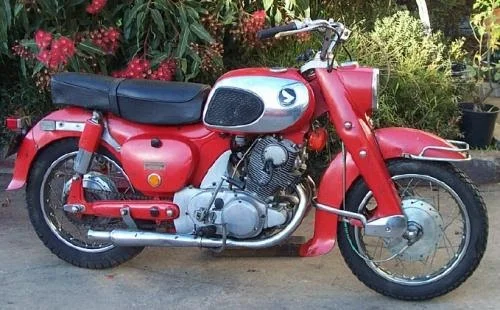
Review of 1960 Honda Dream 305
The Honda Dream 305, introduced in 1960, stands as a landmark model in the history of motorcycles, embodying the spirit of innovation and quality that Honda is renowned for. With its 305cc parallel-twin engine, the Dream 305 delivered a balance of impressive power and smooth performance, making it an appealing choice for both commuting and leisure riding. Its stylish design, characterized by chrome accents and a distinctive teardrop tank, not only captured the aesthetic sensibilities of the era but also set a benchmark for future motorcycle designs. The bike's advanced features, such as a dual overhead camshaft and electric start, showcased Honda's commitment to engineering excellence and user-friendly technology, which were ahead of their time. Today, the Honda Dream 305 is more than just a classic motorcycle; it represents a significant chapter in Honda's legacy and the evolution of motorcycling. Collectors and enthusiasts value it not only for its performance and design but also for its historical importance as one of the first models that helped Honda gain a foothold in the North American market. With its combination of nostalgia and mechanical sophistication, the Dream 305 continues to capture the hearts of vintage motorcycle aficionados, making it a desirable piece for collectors and a cherished ride for those who appreciate the craftsmanship of the past. Whether on display in a collection or cruising down a scenic route, the Honda Dream 305 remains a testament to Honda's pioneering spirit and enduring impact on the motorcycle industry.
Advantages
- Iconic Design: The Honda Dream 305 features a classic and timeless design that captures the essence of 1960s motorcycles, appealing to vintage enthusiasts and collectors alike.
- Reliable Performance: Known for its robust build quality, the Dream 305 offers dependable performance with its 305cc engine, making it suitable for both city commuting and longer rides.
- Comfortable Ride: The motorcycle is designed with rider comfort in mind, featuring a comfortable seat and an ergonomic riding position, which enhances the overall riding experience.
- Smooth Handling: The Dream 305 is praised for its smooth handling and stability, thanks to its well-engineered chassis and suspension, allowing for confident maneuverability on various road conditions.
- Cultural Significance: As one of Honda's early models that contributed to the brand's global reputation, the Dream 305 holds historical significance in the motorcycle industry, making it a notable piece of automotive history.
Disadvantages
- Limited Power and Performance: The 305cc engine, while suitable for city commuting, may feel underpowered for highway riding or longer trips, especially for riders accustomed to modern motorcycles.
- Weight: Weighing in at around 370 pounds, the Dream 305 can be cumbersome for some riders, particularly those who are not used to handling heavier bikes.
- Maintenance and Parts Availability: As a vintage motorcycle, finding original parts or qualified mechanics who can service the bike can be challenging, leading to potential maintenance issues.
- Outdated Technology: The motorcycle lacks modern features such as disc brakes, fuel injection, and advanced suspension systems, which can impact safety and ride quality compared to contemporary models.
- Comfort for Longer Rides: The seating and ergonomics may not be as comfortable for long-distance riding, particularly for taller riders, which could lead to discomfort on extended journeys.
Alternatives
- Yamaha YDS3 (1966): The Yamaha YDS3 is a lightweight, two-stroke twin-cylinder motorcycle known for its agility and performance. With a 250cc engine, it offers a smooth ride and a sporty design, making it popular among riders who appreciate speed and cornering capabilities.
- Suzuki T20 (1965): The Suzuki T20, also known as the Super Six, features a 250cc two-stroke engine that delivers impressive acceleration and a high-revving performance. Its six-speed transmission and distinctive styling make it an iconic model of the era, appealing to both collectors and enthusiasts.
- Kawasaki W1 (1966): The Kawasaki W1 was inspired by British design and featured a 650cc parallel-twin engine. Known for its robust build and classic aesthetics, the W1 offered a more powerful alternative with smooth handling, making it a great choice for touring and everyday riding.
- BSA C15 (1958-1967) - The BSA C15 is a classic British single-cylinder motorcycle with a 250cc engine. Renowned for its reliability and simplicity, the C15 features a vintage design with a nimble frame, making it an excellent option for both novice and experienced riders looking for a retro experience.
- Triumph Tiger Cub (1953-1966) - The Triumph Tiger Cub is a charming and lightweight motorcycle with a 200cc four-stroke engine. It's known for its easy handling and versatility, making it suitable for both city commuting and light off-road use. Its classic styling has made it a beloved model among vintage motorcycle fans. These alternatives each showcase unique characteristics while echoing the charm of the Honda Dream 305 from the 1960s.
Comments & Discussion