
1962 BMW R50 OS
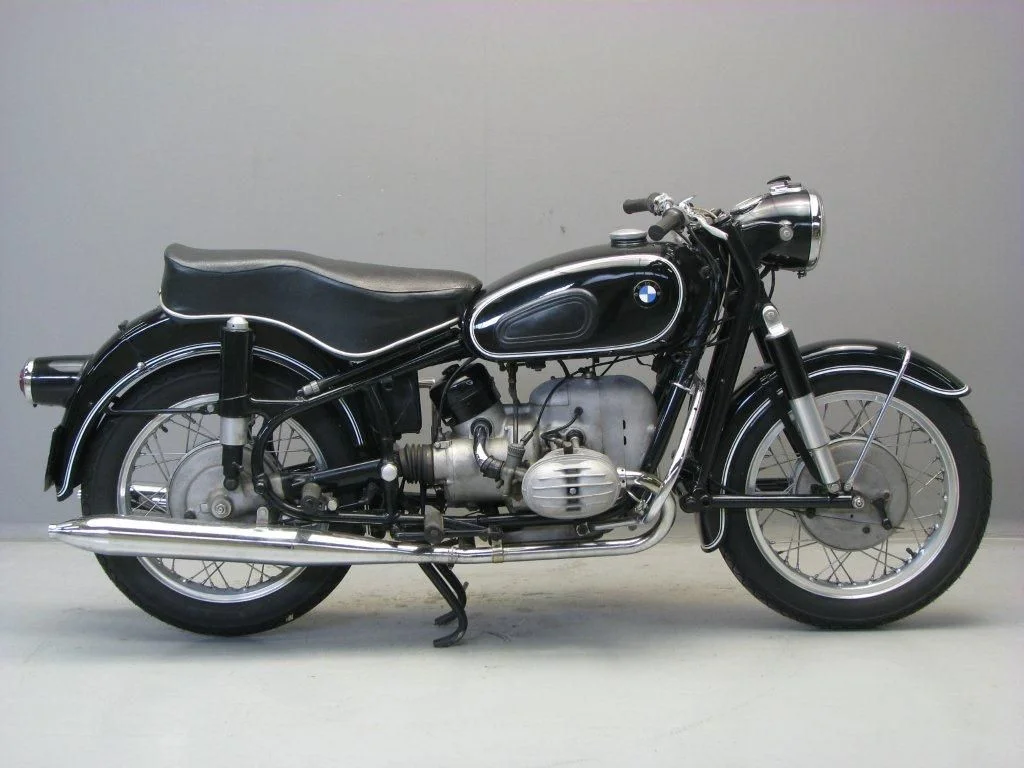
Review of 1962 BMW R50 OS
The BMW R50 OS, produced in 1962, stands as a remarkable example of mid-20th century motorcycle engineering, showcasing the brand's commitment to performance, reliability, and innovative design. Powered by a 494cc air-cooled, flat-twin engine, the R50 OS delivered a smooth and robust ride, characterized by its impressive torque and agility, making it a favorite among both touring enthusiasts and sport riders alike. The bike's signature features, such as its iconic shaft drive, telescopic forks, and a lightweight frame, combined with the meticulous craftsmanship typical of BMW, ensured not only exceptional handling but also a level of durability that has allowed many of these machines to endure through the decades. Today, the R50 OS holds significant value among collectors and vintage motorcycle enthusiasts, appreciated for both its historical importance and its timeless aesthetic. As one of the earlier models that helped establish BMW's reputation in the motorcycle world, it represents a bridge between classic design and modern performance. The combination of its engineering excellence and the nostalgic appeal of its vintage styling makes the R50 OS a sought-after model, often commanding high prices in the collector's market. For those who appreciate the legacy of motorcycling, the 1962 BMW R50 OS remains not just a mode of transportation, but a celebrated piece of history that embodies the spirit of freedom and adventure on two wheels.
Advantages
- Classic Design: The R50 OS features a timeless and iconic design that appeals to vintage motorcycle enthusiasts, showcasing BMW's signature engineering and aesthetic.
- Smooth Performance: Equipped with a 494cc flat-twin engine, the R50 OS offers a smooth and reliable ride, known for its balanced power delivery and excellent torque characteristics.
- Durability and Build Quality: BMW motorcycles are renowned for their robust construction and longevity. The R50 OS exemplifies this with high-quality materials and meticulous engineering.
- Comfortable Ride: The R50 OS is designed for comfort, with a well-padded seat and a riding position that accommodates long-distance travel, making it suitable for touring.
- Strong Community and Parts Availability: As a classic model, the R50 OS has a dedicated community of enthusiasts and access to aftermarket parts, making restoration and maintenance more feasible for owners.
Disadvantages
- Limited Power Output: The R50 OS features a 500cc engine that may feel underpowered compared to modern motorcycles, particularly for highway cruising or steep inclines.
- Weight: At approximately 400 pounds, the R50 OS can be heavy for some riders, making it less maneuverable, especially in tight situations or for beginners.
- Vibration: The air-cooled twin-cylinder engine can produce noticeable vibrations at higher RPMs, which may lead to rider fatigue on longer journeys.
- Parts Availability: While vintage BMW parts are generally available, sourcing specific components can be challenging and potentially expensive, especially if you're looking for original or rare parts.
- Braking Performance: The drum brakes on the R50 OS may not provide the same stopping power or responsiveness as modern disc brakes, which can be a concern for safety and performance in today's traffic conditions.
Alternatives
- Triumph Bonneville T120 (1960s): The Triumph Bonneville T120 is a classic British motorcycle known for its parallel-twin engine and distinctive design. It offers a blend of performance and style, featuring a 650cc engine that delivers a smooth ride and a strong torque curve. The Bonneville became an icon of the era, celebrated for its agility and reliability.
- Norton Commando 750 (1968): The Norton Commando 750 is another British classic that gained a reputation for its innovative design and performance. With a powerful 745cc engine and a unique isolastic frame that minimizes vibrations, the Commando offers an engaging riding experience. Its combination of style and engineering made it a favorite among enthusiasts.
- Honda CB77 Super Hawk (1961): The Honda CB77 Super Hawk, also known as the Honda 305, is a pioneering motorcycle that helped establish Honda's reputation in the U.S. market. With a 305cc parallel-twin engine, this bike is lightweight and nimble, making it a great choice for both novice and experienced riders. Its sleek styling and reliability make it a timeless classic.
- BSA A65 Lightning (1965): The BSA A65 Lightning is a quintessential British motorcycle known for its robust performance and striking looks. Powered by a 654cc parallel-twin engine, it provides a lively ride with good torque delivery. The A65 Lightning is often praised for its handling characteristics and comfortable riding position, making it suitable for both cruising and spirited rides.
- Yamaha XS650 (1970): The Yamaha XS650 is a notable example of a Japanese motorcycle that became popular in the 1970s. Featuring a 653cc parallel-twin engine, it combines modern design with classic styling, offering a reliable and enjoyable riding experience. The XS650 is often favored for its versatility, making it suitable for various riding styles, from touring to cafe racing. These motorcycles provide a variety of riding experiences while embodying the spirit of classic motorcycling, much like the BMW R50 OS.
Comments & Discussion