
1962 Honda Dream 305
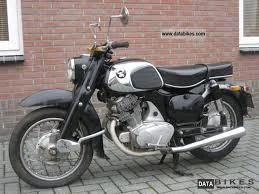
Review of 1962 Honda Dream 305
The Honda Dream 305, introduced in 1962, stands as a significant milestone in motorcycle history, embodying the spirit of innovation and design excellence that Honda is renowned for. With its 305cc parallel-twin engine, the Dream 305 provided a perfect blend of power and smoothness, delivering a reliable ride that appealed to both novice and experienced riders alike. The bike's sleek, retro styling, complete with chrome accents and an iconic teardrop tank, not only captured the aesthetics of the era but also demonstrated Honda's commitment to quality craftsmanship. Its advanced features for the time, such as electric starting, a 4-speed transmission, and a robust suspension system, made it a practical choice for daily commuting as well as weekend adventures. In terms of value, the Honda Dream 305 is highly regarded among collectors and vintage motorcycle enthusiasts. Its historical significance as one of the first motorcycles to popularize the Honda brand in the United States adds to its allure. Today, well-preserved models are sought after for their nostalgic appeal and reliable performance, often fetching premium prices at auctions and motorcycle shows. As a representation of Honda's early efforts to combine functionality with style, the Dream 305 remains a beloved classic that continues to inspire admiration and respect in the motorcycle community.
Advantages
- Iconic Design: The Honda Dream 305 features a classic and elegant design that showcases the aesthetics of early 1960s motorcycles, making it a sought-after model for vintage enthusiasts.
- Reliable Performance: Known for its robust engineering, the Dream 305 offers dependable performance, with a smooth-running engine that was ahead of its time in terms of reliability.
- Comfortable Ride: The motorcycle is designed with rider comfort in mind, featuring a well-padded seat and an upright riding position, making it suitable for both short rides and longer journeys.
- Cultural Significance: As one of Honda's early models that contributed to the brand's global reputation, the Dream 305 holds historical importance in the evolution of motorcycles, making it a valuable addition to any collection.
- Ease of Maintenance: The relatively simple mechanical design of the Dream 305 allows for easier maintenance and repairs, making it accessible for DIY enthusiasts and those looking to keep their vintage bike in top shape.
Disadvantages
- Limited Power and Speed: The Honda Dream 305 has a modest engine output, which may not satisfy riders looking for high performance or speed. Its top speed is relatively low compared to modern motorcycles.
- Weight: Weighing in at around 400 pounds, the Dream 305 can be cumbersome for some riders, especially in tight maneuvering situations or during slow-speed handling.
- Vibration Issues: Riders often report noticeable vibrations at higher RPMs, which can lead to discomfort on longer rides. This can detract from the overall riding experience.
- Availability of Parts: Being a vintage bike, finding specific replacement parts can be challenging and may require sourcing from specialty shops or online marketplaces, which can be time-consuming and costly.
- Braking System: The braking performance, while adequate for its time, may feel inadequate by modern standards. The drum brakes can struggle to provide the stopping power that contemporary riders expect, especially in emergency situations. These factors should be considered by anyone looking to own or ride a Honda Dream
Alternatives
- Yamaha YDS-3 (1965) The Yamaha YDS-3 is a lightweight two-stroke motorcycle featuring a 250cc engine. Known for its agility and performance, the YDS-3 offers a smooth ride complemented by its stylish design, making it a popular choice among enthusiasts of the era.
- Suzuki T20 (1965) The Suzuki T20, also known as the X6 Hustler, is a 250cc twin-cylinder, two-stroke motorcycle. It is renowned for its impressive power-to-weight ratio and high-revving engine, delivering exhilarating performance, especially for its time.
- Kawasaki W1 (1966) The Kawasaki W1 is a 650cc parallel-twin motorcycle that draws inspiration from British designs, featuring classic aesthetics and robust performance. It was one of Kawasaki's first forays into the motorcycle market, providing a mix of style and reliability.
- BSA C15 (1958-1970) The BSA C15 is a classic British single-cylinder motorcycle known for its simplicity and charm. With a 250cc engine, it offers a relaxed riding experience and is often celebrated for its vintage appeal and solid build quality.
- Triumph Tiger Cub (1953-1968) The Triumph Tiger Cub is a small-capacity motorcycle with a 200cc engine, well-regarded for its lightweight design and nimble handling. Its classic lines and versatility make it a favorite among riders looking for a charming and manageable bike for both city and country rides. These alternatives reflect the diverse motorcycle landscape of the 1960s, each offering unique characteristics that appeal to different types of riders.
Comments & Discussion