
1962 Honda Dream Sport CB71
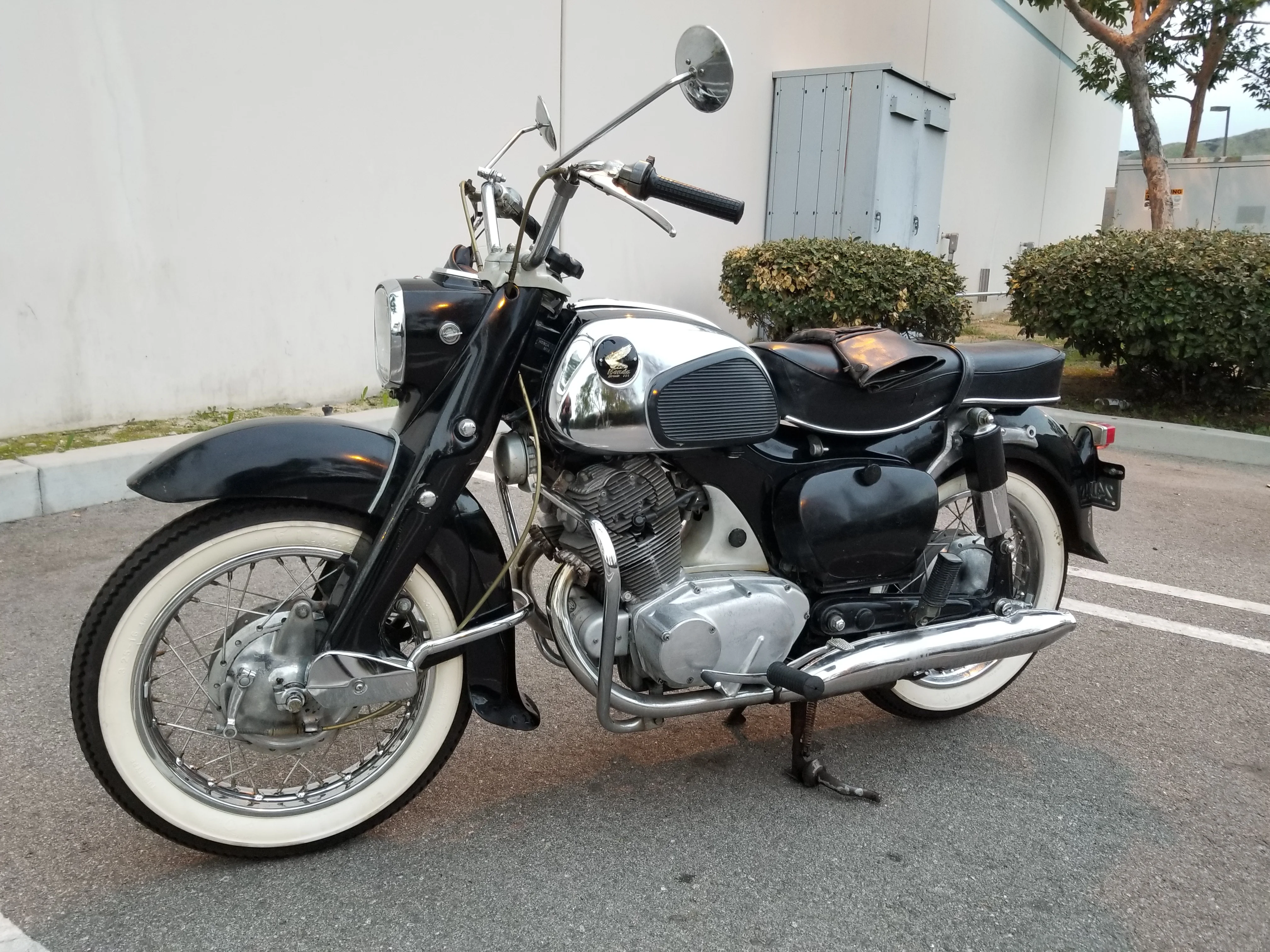
Review of 1962 Honda Dream Sport CB71
The Honda Dream Sport CB71, introduced in 1962, is a hallmark of early Japanese motorcycle craftsmanship and innovation. With its 125cc, air-cooled, four-stroke engine, the CB71 was designed to deliver a smooth and reliable ride, offering a top speed of around 65 mph. Its lightweight frame and classic styling, characterized by elegant lines and chrome accents, contributed to its appeal, making it a popular choice among enthusiasts and everyday riders alike. The motorcycle was equipped with features such as a dual overhead camshaft and a five-speed transmission, which were advanced for its time, setting a new standard for performance and efficiency in small-capacity motorcycles. Beyond its technical specifications, the Honda Dream Sport CB71 holds significant historical value as a representation of Honda's commitment to quality and innovation during the post-war era. It played a pivotal role in establishing Honda's reputation in the global motorcycle market, paving the way for future models that would further elevate the brand's status. Today, the CB71 is cherished by collectors and vintage motorcycle enthusiasts, often sought after for its classic design and historical significance. Its enduring legacy not only highlights Honda's early contributions to motorcycle engineering but also reflects the cultural shift towards personal mobility that defined the 1960s.
Advantages
- Classic Design: The CB71 features a timeless aesthetic with its vintage styling, which appeals to collectors and enthusiasts of classic motorcycles.
- Reliability: Honda is known for its engineering quality, and the CB71 is no exception. Its robust build and reliable components make it a dependable choice for both casual rides and daily commutes.
- Lightweight and Maneuverable: Weighing in at around 300 pounds, the CB71 is easy to handle and maneuver, making it suitable for riders of various skill levels, especially beginners.
- Smooth Performance: The 250cc engine provides a smooth and enjoyable ride, delivering a balance of power and efficiency ideal for city riding and short trips.
- Cultural Significance: As part of Honda's early lineup of motorcycles, the CB71 holds historical importance in the evolution of the motorcycle industry, making it a desirable piece for history buffs and motorcycle enthusiasts alike.
Disadvantages
- Limited Power: The CB71 features a 250cc engine, which may feel underpowered compared to modern motorcycles, especially for highway riding or carrying a passenger.
- Basic Technology: As a motorcycle from the early 1960s, it lacks modern features such as advanced suspension systems, electronic ignition, and fuel injection, which can affect performance and reliability.
- Weight: Weighing in at around 300 pounds, the CB71 can feel heavy for newer riders, making it less maneuverable compared to lighter contemporary motorcycles.
- Parts Availability: Given its age, finding replacement parts can be challenging and may require sourcing from specialty vendors or custom fabricators, which can be time-consuming and expensive.
- Braking Performance: The drum brakes on the CB71 may not provide the same level of stopping power or modulation as modern disc brakes, potentially affecting safety during sudden stops or in wet conditions. These factors can impact the overall riding experience and may be considerations for potential buyers or enthusiasts.
Alternatives
- Yamaha YDS3 (1964) The Yamaha YDS3 is a classic two-stroke motorcycle known for its lightweight design and agile handling. With a 250cc twin-cylinder engine, it offers a smooth ride and impressive acceleration, making it a favorite among enthusiasts of vintage bikes.
- Suzuki T20 (1965) The Suzuki T20, also known as the Super Six, features a 250cc two-stroke, six-speed engine that delivers exciting performance and distinctive styling. Its innovative design and excellent power-to-weight ratio made it a popular choice for riders looking for sportiness and reliability.
- Kawasaki W1 (1966) The Kawasaki W1 is a parallel-twin motorcycle that combines classic styling with modern performance for its time. With a 650cc engine, it offers a comfortable ride and solid power delivery, making it a strong contender for those seeking a classic motorcycle experience.
- BSA A65 Lightning (1965) The BSA A65 Lightning is a British classic known for its robust 650cc twin engine and stylish design. It features a reputation for reliability and performance, along with a distinctive sound, appealing to those who appreciate the charm of vintage British motorcycles.
- Norton Commando 750 (1968) Although slightly newer than the Honda CB71, the Norton Commando 750 is a legendary motorcycle that helped define the British motorcycle scene. With its powerful 750cc parallel-twin engine and innovative isolastic frame, it offers a smooth ride and excellent handling, making it a beloved choice among classic bike enthusiasts. These motorcycles reflect the spirit of the early '60s, each offering unique characteristics and a slice of motorcycle history.
Comments & Discussion