
1962 Honda Dream Sport CE71
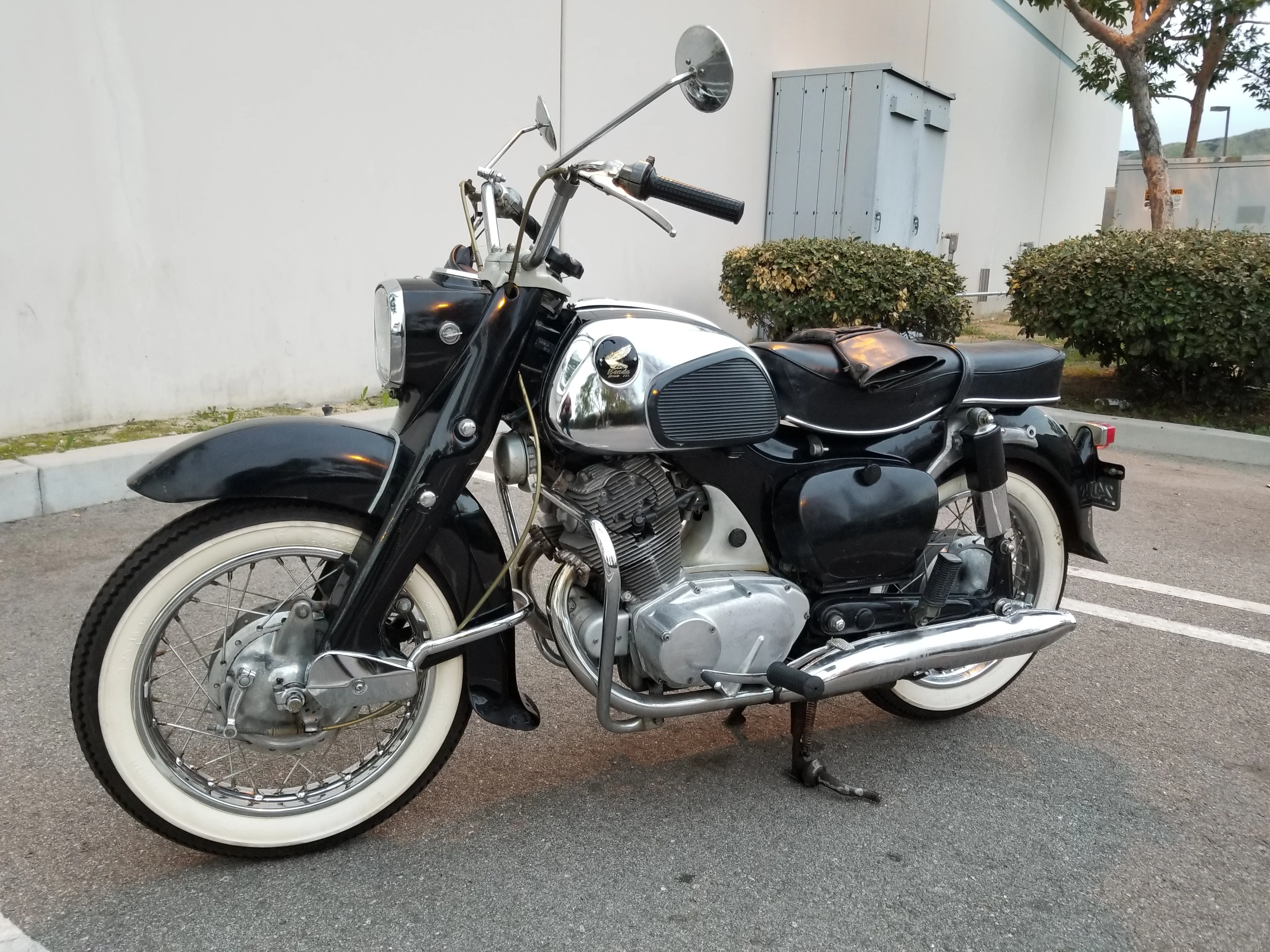
Review of 1962 Honda Dream Sport CE71
The Honda Dream Sport CE71, introduced in 1962, stands as a significant milestone in the evolution of motorcycles, particularly within the realm of small-displacement bikes. With its sleek design and advanced engineering for the time, the CE71 is powered by a 125cc, four-stroke engine that delivers a harmonious balance between performance and efficiency. Its lightweight frame and responsive handling make it an ideal choice for urban commuting as well as leisurely rides. The bike's distinctive styling, characterized by its elongated body and chrome accents, not only reflects the aesthetic sensibilities of the early '60s but also contributes to its enduring appeal among collectors and enthusiasts today. Moreover, the Honda Dream Sport CE71 represents the pioneering spirit of Honda as it ventured into the global motorcycle market, establishing a reputation for reliability and quality that continues to resonate with riders. Its relatively simple mechanics make it easy to maintain, and its solid build quality ensures longevity, making it a valuable asset for vintage motorcycle collectors. In essence, the CE71 is not just a motorcycle; it embodies a piece of history that showcases Honda's commitment to innovation and design. Its legacy is reflected in the continued admiration it receives from enthusiasts, making it a timeless classic that remains a cherished part of motorcycle lore.
Advantages
- Classic Design: The Honda Dream Sport CE71 features a timeless aesthetic that appeals to vintage motorcycle enthusiasts, showcasing the classic lines and styling of early 1960s motorcycles.
- Reliability: Honda's engineering reputation for reliability is evident in the CE71, making it a dependable choice for those looking to own a vintage bike without frequent mechanical issues.
- Lightweight and Maneuverable: Weighing in at a manageable level, the CE71 is easy to handle, making it suitable for both new riders and those who appreciate nimble bikes for urban commuting.
- Fuel Efficiency: The small displacement engine is known for its excellent fuel economy, making it an economical option for daily riding and reducing overall running costs.
- Cultural Significance: As part of Honda's early lineup, the CE71 holds historical value, representing the brand's expansion into the motorcycle market and appealing to collectors who appreciate its place in motorcycle history.
Disadvantages
- Limited Power and Performance: The CE71 is equipped with a modest engine that, while adequate for city commuting, may feel underpowered for highway use or long-distance rides, especially compared to modern motorcycles.
- Basic Technology: As a motorcycle from the early 1960s, it lacks modern features such as electric start, advanced braking systems, and fuel injection, which can make it less convenient and less safe by today's standards.
- Comfort and Ergonomics: The seating and riding position are designed more for utility than comfort, which can lead to fatigue on longer rides due to the lack of ergonomic support.
- Limited Parts Availability: Given its age, finding replacement parts or accessories can be challenging, which may lead to difficulties in maintenance and restoration.
- Vulnerability to Corrosion: The materials used in the construction of the CE71, particularly the finishes, may not be as rust-resistant as those found in contemporary motorcycles, making it more susceptible to deterioration if not properly maintained.
Alternatives
- Yamaha YDS3 (1968) The Yamaha YDS3 is a classic two-stroke motorcycle that features a 250cc parallel-twin engine. Renowned for its lightweight design and agile handling, this bike is ideal for urban commuting and spirited rides. Its retro styling and distinctive chrome accents make it a favorite among vintage enthusiasts.
- Suzuki T20 (1966) The Suzuki T20, also known as the Super Six, is a 250cc twin-cylinder motorcycle that gained popularity for its combination of speed and handling. With a 6-speed gearbox and a sleek design, it offers a thrilling ride experience. The T20 is often celebrated for its innovative engineering for its time.
- Kawasaki W1 (1966) The Kawasaki W1 is a parallel-twin motorcycle that pays homage to classic British designs. With a 650cc engine, it delivers solid performance while maintaining a vintage aesthetic. Known for its reliability and smooth ride, the W1 is a great choice for those who appreciate a retro vibe without sacrificing power.
- BSA C15 (1958) The BSA C15 is a classic British single-cylinder motorcycle known for its simplicity and charm. With a 250cc engine, it's lightweight and easy to maneuver, making it an excellent choice for new riders. Its timeless styling and reliable performance have made it a beloved classic in the motorcycle community.
- Triumph Tiger Cub (1953) The Triumph Tiger Cub is a lightweight motorcycle that features a 200cc engine. Known for its nimble handling and classic British styling, it's an ideal bike for both beginners and seasoned riders looking for a vintage experience. The Tiger Cub's versatility and charm have made it a staple in vintage motorcycle circles. These alternatives reflect the spirit of the Honda Dream Sport CE71 while offering their own unique characteristics and appeal.
Comments & Discussion