
1963 Honda Dream 305
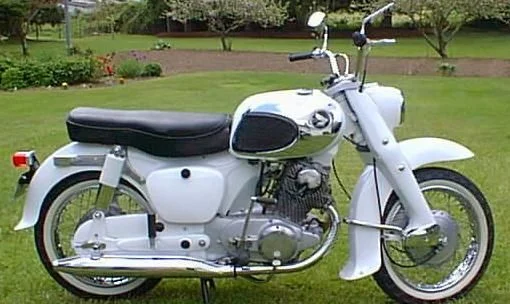
Review of 1963 Honda Dream 305
The Honda Dream 305, introduced in 1963, stands as a significant milestone in motorcycle history, representing a blend of innovative engineering and classic design. With its 305cc parallel-twin engine, the Dream 305 offered a remarkable balance of power and efficiency, enabling riders to enjoy both city commuting and longer journeys with ease. The bike featured advanced elements for its time, such as an electric starter, dual overhead camshaft, and a 4-speed transmission, elevating the riding experience. Its distinctive styling, characterized by elegant lines and chrome accents, has contributed to its enduring appeal among collectors and vintage motorcycle enthusiasts. Today, the Honda Dream 305 holds substantial value not only for its historical significance but also for its representation of Honda's early commitment to quality and innovation in the motorcycle industry. As a symbol of the brand's growth during the 1960s, this model encapsulates a transformative period in motorcycling, where reliability and performance began to redefine the riding experience. Its rarity and nostalgic charm continue to attract attention at auctions and vintage shows, ensuring that the Dream 305 remains a cherished piece of motorcycle history, revered for both its engineering prowess and timeless aesthetic.
Advantages
- Iconic Design: The Honda Dream 305 features a classic and timeless aesthetic, with its sleek lines and chrome accents, making it a favorite among vintage motorcycle enthusiasts.
- Reliable Performance: Known for its robust build quality, the Dream 305 delivers dependable performance with a smooth-running engine, showcasing Honda's engineering excellence of the era.
- Comfortable Ride: With a comfortable seat and an upright riding position, the Dream 305 provides a pleasant riding experience, suitable for both city commuting and longer journeys.
- Fuel Efficiency: This motorcycle is known for its impressive fuel efficiency, allowing riders to cover considerable distances without frequent stops for refueling, which is a significant advantage for long rides.
- Cultural Significance: The Honda Dream 305 holds a special place in motorcycle history as one of the early models that helped establish Honda's reputation in the Western markets, making it a collectible item for enthusiasts and historians alike.
Disadvantages
- Limited Top Speed: While the Dream 305 was considered a reliable commuter bike, its top speed of around 85 mph may not satisfy riders looking for higher performance or highway capabilities.
- Weight: Weighing in at approximately 400 pounds, the Honda Dream 305 can feel heavy and cumbersome, especially for newer riders or those accustomed to lighter motorcycles.
- Maintenance Availability: Given its age, finding original parts or qualified mechanics who are familiar with the model can be challenging, leading to potential difficulties in maintenance and repairs.
- Braking Performance: The drum braking system, while standard for its time, may not provide the stopping power or responsiveness that modern riders expect, raising safety concerns in more demanding riding conditions.
- Vintage Vibe: While some riders appreciate the classic aesthetic, the outdated design and technology may not appeal to everyone, particularly those who prefer the modern features and styling found in contemporary motorcycles.
Alternatives
- Yamaha YDS-3 (1965) The Yamaha YDS-3 is a two-stroke, 250cc motorcycle known for its lightweight frame and nimble handling. With a stylish design and reliable performance, it was aimed at both commuting and sport riding, making it a popular choice among enthusiasts during the 1960s.
- Suzuki T20 Super Six (1966) The Suzuki T20, also known as the Super Six, features a 250cc, twin-cylinder two-stroke engine that delivers impressive power for its size. Renowned for its high-revving capabilities and distinctive styling, the T20 was a favorite among riders looking for a thrilling ride and sporty performance.
- Kawasaki W1 (1966) The Kawasaki W1 is a classic motorcycle that boasts a 650cc parallel-twin engine, reminiscent of British bikes from the same era. With a focus on comfort and stability, it combines classic styling with modern reliability, making it a favorite among those seeking a vintage ride with a bit more power.
- Triumph Bonneville T120 (1963) The Triumph Bonneville T120 is an iconic motorcycle that features a 650cc parallel-twin engine. Known for its classic British design and exceptional performance, the Bonneville became a symbol of the 1960s motorcycle culture, offering a blend of style and power that appealed to a wide range of riders.
- BSA A65 Lightning (1967) The BSA A65 Lightning is a 650cc motorcycle that gained popularity for its smooth handling and robust engine performance. With a blend of classic aesthetics and practical features, the A65 Lightning was designed for both everyday riding and longer journeys, making it a versatile option during its time. These motorcycles represent a mix of performance, style, and historical significance, making them great alternatives to the Honda Dream
Comments & Discussion