
1964 Honda Dream 305
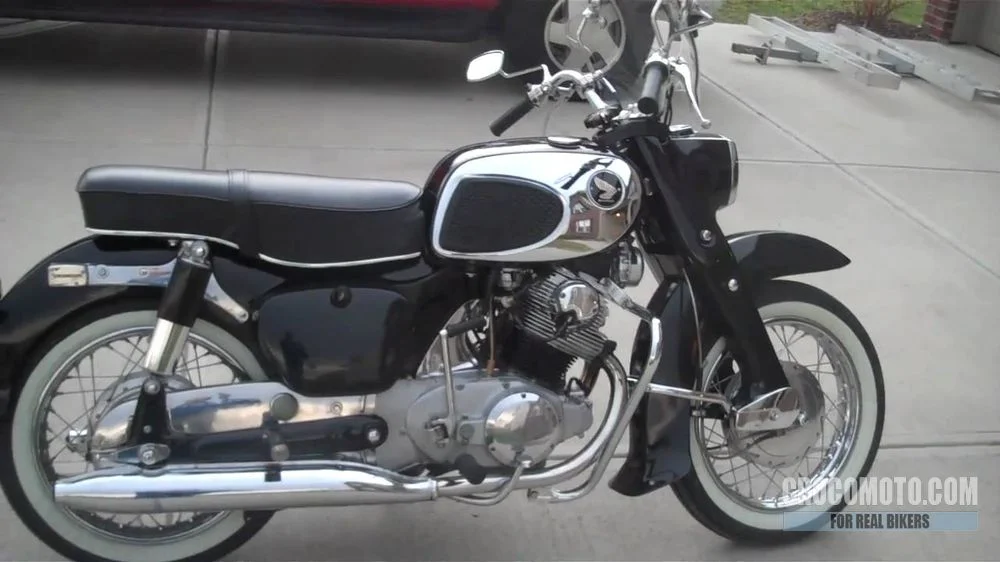
Review of 1964 Honda Dream 305
The Honda Dream 305, introduced in 1964, stands as a significant milestone in motorcycle history, showcasing Honda's commitment to engineering excellence and innovative design. This model was powered by a 305cc parallel-twin engine, which not only delivered a smooth and reliable performance but also provided a balance of power and efficiency that was ahead of its time. With its distinctive styling, featuring a streamlined body and elegant chrome accents, the Dream 305 became an instant classic, appealing to both seasoned riders and newcomers alike. The bike was equipped with advanced features for its era, including overhead camshaft technology and an electric starter, which added to its allure and practicality. Today, the Honda Dream 305 is highly regarded among vintage motorcycle enthusiasts and collectors. Its combination of historical significance, aesthetic appeal, and mechanical sophistication contributes to its enduring value. As a representation of Honda's innovative spirit during the 1960s, the Dream 305 not only paved the way for future models but also solidified Honda's reputation as a leader in the motorcycle industry. Owning a Honda Dream 305 today is not just about possessing a piece of machinery; it's about connecting with a rich legacy of engineering and design that has shaped the world of motorcycling.
Advantages
- Classic Design: The Honda Dream 305 features a timeless aesthetic that appeals to vintage motorcycle enthusiasts, with its sleek lines and chrome accents that embody the 1960s styling.
- Smooth Performance: Equipped with a 305cc engine, the motorcycle offers a smooth and reliable ride, making it suitable for both city commuting and longer journeys.
- Durability: Known for its robust build quality, the Dream 305 was designed to withstand the rigors of daily use, making it a durable choice for riders.
- Comfortable Ride: The bike features a comfortable seating position and well-padded seat, allowing for extended rides without causing discomfort.
- Cultural Icon: As part of Honda's early lineup in the U.S. market, the Dream 305 holds historical significance and is often celebrated among collectors and motorcycle historians, making it a valuable addition to any classic motorcycle collection.
Disadvantages
- Limited Power Output: With a 305cc engine, the Honda Dream 305 may not provide enough power for riders looking for high performance or faster acceleration compared to more modern motorcycles.
- Weight: Weighing over 400 pounds, the Dream 305 can feel bulky and cumbersome, especially for new riders or those used to lighter bikes, impacting maneuverability.
- Vibration at Higher Speeds: Riders may experience noticeable vibrations at higher speeds, which can lead to discomfort on longer rides.
- Limited Suspension Technology: The suspension system on the Dream 305 is basic by today's standards, which may result in a less comfortable ride on rough or uneven surfaces.
- Parts Availability: As a vintage motorcycle, finding specific replacement parts can be challenging and may require sourcing from specialty suppliers or second-hand markets, potentially leading to higher maintenance costs. These factors may affect the riding experience for some enthusiasts, particularly those comparing it to modern motorcycles.
Alternatives
- Yamaha YDS3 (1966) The Yamaha YDS3 is a classic 250cc two-stroke motorcycle known for its lightweight and nimble handling. With a distinctive design and a reliable engine, the YDS3 was popular among riders looking for a sporty yet practical bike. It offered a smooth ride and was well-regarded for its performance in city commuting and light touring.
- Suzuki T20 (1966) The Suzuki T20, also known as the X6 Hustler, is a 250cc two-stroke twin that made waves in the 1960s for its impressive speed and acceleration. With a sleek design and a high-revving engine, it was one of the first motorcycles to reach 100 mph in the quarter-mile. The T20 is celebrated for its innovative engineering and sporty character.
- Kawasaki W1 (1966) The Kawasaki W1 is a 650cc parallel-twin motorcycle that stands out for its classic styling and robust performance. Inspired by British bikes of the era, the W1 features a smooth power delivery and a comfortable riding position, making it ideal for longer journeys. Its vintage charm and solid build quality have earned it a loyal following among classic motorcycle enthusiasts.
- BMW R60/2 (1960-1969) The BMW R60/2 is a 600cc flat-twin motorcycle known for its durability and touring capabilities. With a reputation for reliability and a smooth ride, this bike features a unique shaft drive system and a comfortable seating position. The R60/2 is cherished for its engineering excellence and has become a staple among classic motorcycle collectors.
- Triumph Bonneville T120 (1963) The Triumph Bonneville T120 is a legendary motorcycle that epitomizes the British café racer style. With its 650cc parallel-twin engine, the Bonneville offers a perfect blend of power and agility. Its timeless design, combined with a reputation for performance and handling, has made the T120 a favorite among riders seeking both style and substance in their classic motorcycles. These alternatives each offer a unique take on the era's motorcycle design and performance, appealing to different riding styles and preferences.
Comments & Discussion