
1965 Honda Dream 305
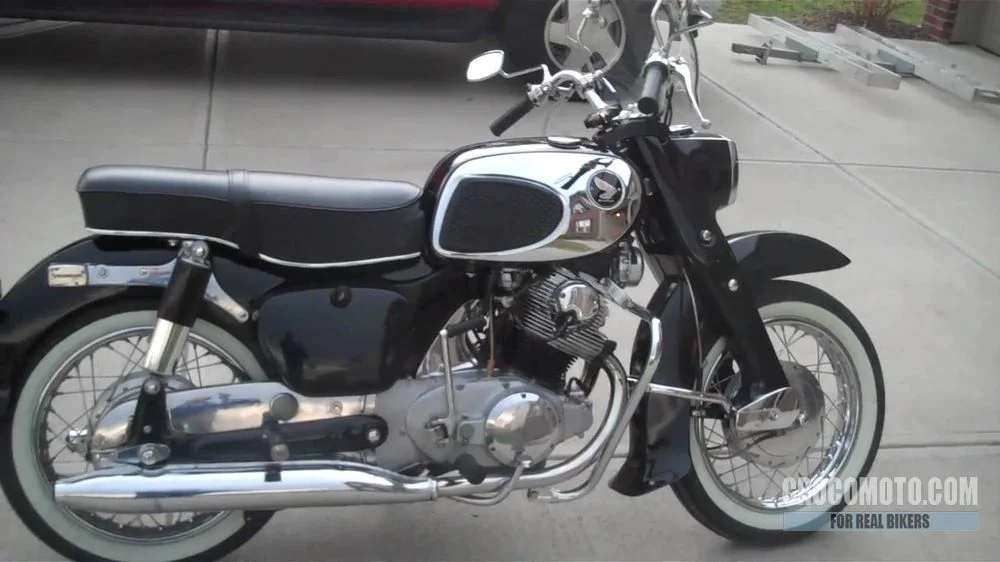
Review of 1965 Honda Dream 305
The Honda Dream 305, introduced in 1965, is a quintessential example of Honda's innovative spirit during the golden age of motorcycling. Known for its sleek design and impressive engineering, the Dream 305 featured a 305cc parallel-twin engine that produced a respectable 27 horsepower, allowing for smooth acceleration and a top speed of around 90 mph. This motorcycle was equipped with advanced features for its time, including an electric starter, a five-speed transmission, and a double-cradle frame that provided enhanced stability and handling. Its elegant styling, characterized by chrome accents and a distinctive tank design, not only appealed to riders but also set a standard for aesthetics in the motorcycle industry. The Honda Dream 305 holds significant value today, both as a classic motorcycle and a symbol of Honda's pioneering role in the market. Enthusiasts appreciate its blend of performance and reliability, which has stood the test of time. Collectors often seek out the Dream 305 for its historical importance, as it represents a transformative period when Japanese motorcycles began to dominate the global scene. With its robust engineering, stylish design, and the nostalgic allure of mid-20th century motorcycling, the Honda Dream 305 remains a beloved classic that continues to evoke admiration among riders and collectors alike.
Advantages
- Classic Design: The Honda Dream 305 features a timeless and elegant design that embodies the aesthetic of the 1960s, making it a popular choice among vintage motorcycle enthusiasts.
- Smooth Performance: Equipped with a 305cc engine, the motorcycle delivers a smooth and reliable performance, making it suitable for both city commuting and longer rides.
- Comfortable Ride: The bike is designed with a comfortable seating position and a well-padded seat, providing a pleasant riding experience even on longer journeys.
- Durability: Known for Honda's engineering quality, the Dream 305 is built to last, with robust components that can withstand the test of time and the rigors of daily use.
- Easy Maintenance: The simple mechanical design and availability of parts make the Honda Dream 305 relatively easy to maintain, appealing to riders who enjoy hands-on upkeep of their motorcycle.
Disadvantages
- Limited Power and Performance: The Honda Dream 305's engine, while reliable, may feel underpowered compared to modern motorcycles. It has a modest output that might not satisfy riders looking for high performance or speed.
- Weight: Weighing in at around 400 pounds, the Dream 305 can feel heavy, especially for new riders or those who prefer a more agile bike. This weight can make maneuvering in tight spaces or during low-speed turns more challenging.
- Suspension and Handling: The suspension technology of the 1960s is quite basic by today's standards. Riders may find the handling less refined, with a bouncier ride and less stability over rough surfaces compared to modern motorcycles.
- Limited Braking Performance: The braking system, which features drum brakes, may not provide the stopping power and responsiveness that riders expect today. This can be a concern for safety, especially in emergency situations.
- Parts Availability: While the Honda Dream 305 is a classic motorcycle, finding specific parts for maintenance and restoration can be challenging. Availability of original components may be limited, leading to potential difficulties in repairs or upgrades.
Alternatives
- Yamaha YDS3 (1966) The Yamaha YDS3 is a lightweight two-stroke motorcycle known for its reliability and spirited performance. With a 250cc engine, it offers a balance of power and efficiency, making it a popular choice among enthusiasts. Its classic styling and agile handling make it a great alternative for those seeking a vintage feel.
- Suzuki T20 (1965) The Suzuki T20, also known as the Super Six, is a 250cc two-stroke motorcycle that features a unique six-speed transmission. With its sporty design and impressive acceleration, the T20 was a favorite among younger riders in the '60s. Its combination of performance and classic aesthetics makes it a compelling alternative.
- BSA C15 (1965) The BSA C15 is a quintessential British single-cylinder motorcycle that boasts a 250cc engine. Known for its rugged build and straightforward mechanics, the C15 offered a great entry point for new riders. Its classic British styling and charm resonate with those who appreciate vintage motorcycles.
- Triumph Tiger Cub (1965) The Triumph Tiger Cub is a small-displacement motorcycle with a 200cc engine, celebrated for its lightweight design and nimble handling. It's ideal for urban commuting and light touring, and its classic looks appeal to those who favor vintage British motorcycles. The Tiger Cub is an excellent choice for riders looking for a retro experience.
- Kawasaki W1 (1966) The Kawasaki W1 is a parallel-twin motorcycle that pays homage to classic British designs. With a 650cc engine, it offers a blend of style and performance. The W1 has a nostalgic feel, with its retro aesthetics and comfortable riding position, making it a great alternative for fans of vintage bikes like the Honda Dream
- These motorcycles reflect the era's charm and are excellent alternatives for those captivated by the Honda Dream 305's legacy.
Comments & Discussion