
1967 Honda CB250 Super Sport
Review of 1967 Honda CB250 Super Sport
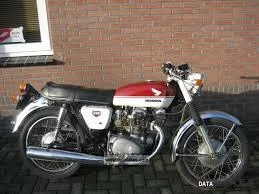
The Honda CB250 Super Sport, introduced in 1967, stands as a significant milestone in the evolution of small-displacement motorcycles. With its sleek, sporty design and lightweight frame, the CB250 was engineered for both performance and practicality, appealing to a broad range of riders. Its 246cc dual overhead cam engine offered a harmonious balance of power and efficiency, making it an ideal choice for urban commuting and weekend rides alike. The bike's innovative engineering, including a five-speed transmission and a reliable electric starter, showcased Honda's commitment to enhancing the riding experience, while the distinctive styling elements, such as the chrome accents and racing-inspired aesthetics, set it apart from its contemporaries. Today, the Honda CB250 Super Sport holds considerable value not only as a classic motorcycle but also as a symbol of Honda's pioneering spirit in the motorcycle industry. Its reputation for reliability and ease of maintenance continues to endear it to collectors and enthusiasts, ensuring its place in the hearts of those who appreciate vintage motorcycles. As a representation of the golden age of motorcycling, the CB250 is not just a means of transport but a cherished piece of history that captures the essence of freedom on two wheels. Whether for restoration projects or as a classic ride, the CB250 remains a testament to Honda's innovation and enduring legacy in the world of motorcycling.
Advantages
- Lightweight and Maneuverable: The CB250 Super Sport's lightweight design makes it easy to handle, especially for beginner riders or those navigating urban environments.
- Classic Styling: With its retro aesthetics, the CB250 features a timeless design that appeals to vintage motorcycle enthusiasts and collectors alike.
- Reliable Performance: Honda's engineering ensures that the CB250 delivers dependable performance, making it a trustworthy choice for casual rides and daily commuting.
- Fuel Efficiency: Known for its excellent fuel economy, the CB250 is economical to operate, making it a great option for riders looking to save on gas.
- Community and Parts Availability: As a classic model, there is a strong community of enthusiasts, and parts for the CB250 are relatively easy to find, making restoration and maintenance more accessible.
Disadvantages
- Limited Power: With a 250cc engine, the CB250 may struggle to keep up with faster highway traffic, making it less suitable for long-distance rides or high-speed cruising.
- Vibration Issues: The single-cylinder engine can produce noticeable vibrations at higher RPMs, which may lead to discomfort during longer rides.
- Basic Features: As a motorcycle from the late 1960s, it lacks modern conveniences such as electric start, advanced suspension systems, and improved braking technology, which can affect overall riding experience and safety.
- Parts Availability: Given its age, finding replacement parts can be challenging, and some components may be more expensive or difficult to source compared to newer models.
- Limited Storage: The bike's minimalist design means that it doesn't offer much in terms of storage options, which can be inconvenient for riders who need to carry gear or personal items.
Alternatives
- Yamaha YDS2 (1966): The Yamaha YDS2 is a classic twin-cylinder motorcycle known for its lightweight design and spirited performance. With a 250cc engine, it delivers smooth acceleration and is celebrated for its reliability and ease of handling, making it a popular choice among entry-level riders during its era.
- Suzuki T20 (1965): The Suzuki T20, also known as the X6 Hustler, features a 250cc two-stroke engine and is renowned for its lively performance. It boasts a distinctive design and was one of the fastest bikes in its class at the time, appealing to those seeking speed and agility in a lightweight package.
- Kawasaki A1 Samurai (1967): The Kawasaki A1 Samurai is a 250cc two-stroke motorcycle that offers a sporty riding experience with its peppy engine and sharp styling. Its lightweight frame and responsive handling make it an exciting option for riders who appreciate performance and nimble maneuverability.
- BSA Bantam D7 (1967): The BSA Bantam D7 is a classic British bike with a 175cc two-stroke engine, known for its simplicity and ruggedness. While slightly less powerful than the CB250, its charm lies in its vintage aesthetics and ease of maintenance, making it a beloved choice for enthusiasts of classic motorcycles.
- Triumph Tiger Cub (1965): The Triumph Tiger Cub, powered by a 200cc four-stroke engine, is a quintessential British motorcycle that combines classic styling with user-friendly performance. Its lightweight structure and comfortable riding position make it ideal for both city commuting and light touring, appealing to a wide range of riders. These motorcycles not only provide alternatives to the Honda CB250 Super Sport but also represent the diversity of the motorcycle landscape in the 1960s.
Comments & Discussion