
1967 Honda Dream 305
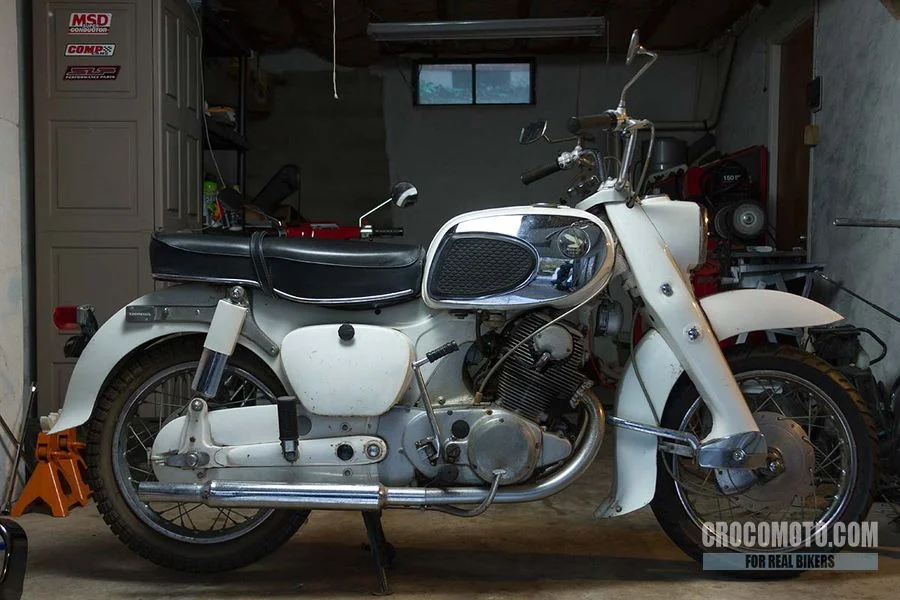
Review of 1967 Honda Dream 305
The Honda Dream 305, produced in 1967, is a remarkable motorcycle that epitomizes the blend of style, performance, and innovation of its era. With its 305cc parallel-twin engine, the Dream 305 offered a smooth and reliable ride, providing ample power for both urban commuting and longer journeys. The bike's iconic design, characterized by its elegant lines and chrome detailing, not only made it visually appealing but also marked a significant departure from the more utilitarian designs of the time. Features like the electric starter, a first for many motorcycles of its class, showcased Honda's commitment to enhancing the rider experience and set a new standard for convenience and ease of use. As a collectible today, the Honda Dream 305 holds significant value among vintage motorcycle enthusiasts. Its combination of historical importance, distinctive styling, and dependable performance has made it a sought-after model for collectors and riders alike. Owning a 1967 Dream 305 is not just about possessing a piece of motorcycle history; it's about celebrating an era that emphasized innovation and quality in motorcycle manufacturing. With its enduring appeal and robust engineering, the Honda Dream 305 continues to be a standout classic that represents Honda's pioneering spirit in the motorcycle industry.
Advantages
- Reliability: The Honda Dream 305 is known for its robust engineering and dependable performance, making it a trustworthy option for both daily commuting and weekend rides.
- Classic Styling: With its vintage design, the Dream 305 exudes a classic aesthetic that appeals to enthusiasts of retro motorcycles, offering a timeless look that stands out on the road.
- Smooth Ride: Equipped with a well-designed suspension system, the Dream 305 provides a comfortable and smooth ride, absorbing bumps and imperfections in the road.
- User-Friendly Handling: The motorcycle has a manageable weight and a balanced frame, making it easy to handle for both new riders and seasoned motorcyclists.
- Fuel Efficiency: Known for its economical fuel consumption, the Dream 305 allows for longer rides without the frequent need to refuel, making it an efficient choice for riders looking to save on gas.
Disadvantages
- Limited Power and Speed: While the Dream 305 was a reliable bike for its time, it may feel underpowered compared to modern motorcycles, especially for riders seeking higher speeds and performance.
- Weight: The bike is relatively heavy for a motorcycle of its size, which can make handling and maneuverability a bit challenging, especially for newer riders or those used to lighter bikes.
- Suspension and Handling: The suspension technology of the 1960s is not on par with contemporary standards, leading to a less comfortable ride on rough roads and reduced cornering stability.
- Availability of Parts: As a vintage motorcycle, finding replacement parts can be difficult. Original components may be scarce, and aftermarket parts might not always match the quality or fit.
- Braking System: The braking system, particularly the drum brakes, may not provide the stopping power or responsiveness that modern riders expect, potentially posing a safety concern in certain riding conditions. These factors may influence a rider's decision when considering the Honda Dream 305 as a classic motorcycle option.
Alternatives
- Yamaha YDS3 (1966-1969) The Yamaha YDS3 is a two-stroke, parallel-twin motorcycle that was popular for its lightweight and nimble handling. Known for its reliability, the YDS3 features a 250cc engine and is appreciated for its smooth power delivery, making it a great choice for both urban commuting and leisurely rides.
- Suzuki T20 (1965-1968) Also known as the Suzuki X6 Hustler, the T20 is a 250cc two-stroke twin that gained a reputation for its spirited performance and distinctive design. With a rev-happy engine and excellent handling, it's a beloved classic that appeals to riders looking for a sporty ride from the era.
- Kawasaki W1 (1966-1972) The Kawasaki W1 is a 650cc parallel-twin motorcycle that draws inspiration from British designs. With its retro styling and robust performance, the W1 became a strong contender in the growing motorcycle market of the 1960s, appealing to riders who appreciate classic aesthetics combined with solid engineering.
- BSA Lightning A65 (1965-1971) The BSA Lightning A65 is a quintessential British motorcycle, boasting a 650cc twin-cylinder engine known for its torque and distinctive sound. Its iconic styling and comfortable ride made it a popular choice among enthusiasts, representing the golden age of British motorcycling.
- Triumph Bonneville T120 (1963-1970) The Triumph Bonneville T120 is one of the most iconic motorcycles of all time, featuring a 650cc parallel twin engine renowned for its performance and agility. With its classic café racer look and rich heritage, the Bonneville has become synonymous with the spirit of motorcycling, appealing to riders who value both style and substance. These motorcycles not only reflect the era's design and engineering but also offer alternative experiences for those who appreciate classic machines.
Comments & Discussion