
1968 Honda CB250 Super Sport
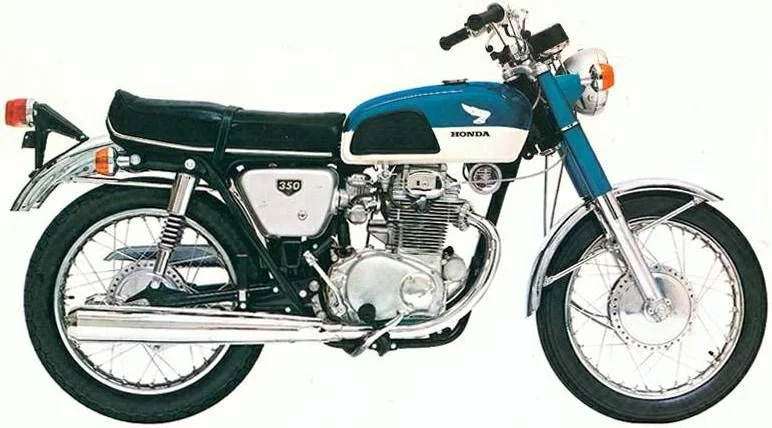
Review of 1968 Honda CB250 Super Sport
The 1968 Honda CB250 Super Sport stands as a remarkable testament to the evolution of lightweight motorcycles in the late 1960s. With its 250cc twin-cylinder engine, the CB250 offered a blend of spirited performance and practicality that appealed to a wide range of riders. The bike was not only notable for its striking styling, characterized by clean lines and a sporty silhouette, but it also showcased Honda's commitment to engineering excellence. The overhead cam engine provided smooth power delivery, while the bike's lightweight frame contributed to nimble handling, making it an ideal choice for both new and experienced riders alike. Beyond its impressive technical specifications, the CB250 Super Sport was a harbinger of Honda's strategy to capture the growing market for affordable and reliable motorcycles. Its combination of reliability, style, and fuel efficiency made it a popular choice during its time, and these attributes continue to resonate with collectors and enthusiasts today. As a classic motorcycle, the 1968 Honda CB250 Super Sport not only holds historical significance but also offers great value in the vintage market, appealing to those who appreciate its legacy and the joy of riding a well-crafted machine.
Advantages
- Lightweight and Agile: The CB250 Super Sport is known for its lightweight frame, making it easy to handle and maneuver, especially for new riders or those navigating urban environments.
- Classic Design: With its retro styling, the CB250 exudes a classic charm that appeals to vintage motorcycle enthusiasts and collectors. Its aesthetic is a great representation of the late '60s motorcycle culture.
- Reliable Engine: The 250cc engine is known for its durability and reliability, providing a smooth ride and requiring less maintenance compared to larger, more complex engines.
- Good Fuel Economy: The smaller engine size translates to excellent fuel efficiency, making the CB250 an economical option for daily commuting or long-distance rides.
- Affordability: Often available at a reasonable price in the vintage motorcycle market, the CB250 Super Sport offers great value for those looking to own a classic bike without breaking the bank.
Disadvantages
- Limited Power Output: With a modest engine size of 250cc, the power output may feel underwhelming for riders seeking higher performance or for highway riding, especially when compared to larger displacement bikes.
- Vibration Issues: As with many motorcycles from that era, the CB250 can experience noticeable vibrations at higher RPMs, which can lead to discomfort during longer rides.
- Basic Features: The bike lacks modern amenities and features, such as advanced braking systems, fuel injection, or digital displays, which can make it feel less appealing to today's riders accustomed to more technological advancements.
- Suspension Limitations: The suspension system, while adequate for its time, may not offer the same level of comfort or handling precision as contemporary bikes, particularly on rough roads or during aggressive riding.
- Parts Availability: Being a classic motorcycle, finding replacement parts can be challenging and potentially expensive, which could be a concern for owners looking to maintain or restore the bike.
Alternatives
- Yamaha YDS3 (1966-1968) The Yamaha YDS3 is a 250cc two-stroke twin-cylinder motorcycle known for its lightweight design and agile handling. It features a distinctive styling with a sporty look, and its performance on the road made it popular among younger riders seeking a fun and responsive machine.
- Suzuki T250 (1968-1970) The Suzuki T250 is a two-stroke parallel twin featuring a 246cc engine. This bike is well-regarded for its smooth power delivery and reliability. With its classic styling and decent performance, the T250 offered a great balance between everyday usability and spirited riding.
- Kawasaki A1 Samurai (1967-1968) The Kawasaki A1 Samurai is a 250cc two-stroke motorcycle that stands out for its aggressive styling and performance capabilities. With a powerful engine and sporty handling, it was designed for riders looking for a thrilling ride, making it a worthy competitor in the small displacement category.
- BSA C15 (1958-1967) The BSA C15 is a 250cc single-cylinder four-stroke motorcycle known for its rugged build and classic British styling. With a focus on reliability and ease of maintenance, the C15 was popular among both novice and experienced riders, offering a solid entry point into motorcycling.
- Norton Commando 750 (1967-1977) While larger than the CB250, the Norton Commando 750 is worth mentioning for those looking for a classic British bike. With its iconic styling and powerful 750cc engine, it provided excellent performance and handling. The Commando became a symbol of the 1960s and 70s motorcycle culture, appealing to enthusiasts who desired a blend of style and substance. These alternatives each provide a unique take on the small displacement motorcycle category, embodying the spirit of the era.
Comments & Discussion