
1968 Honda Dream 305
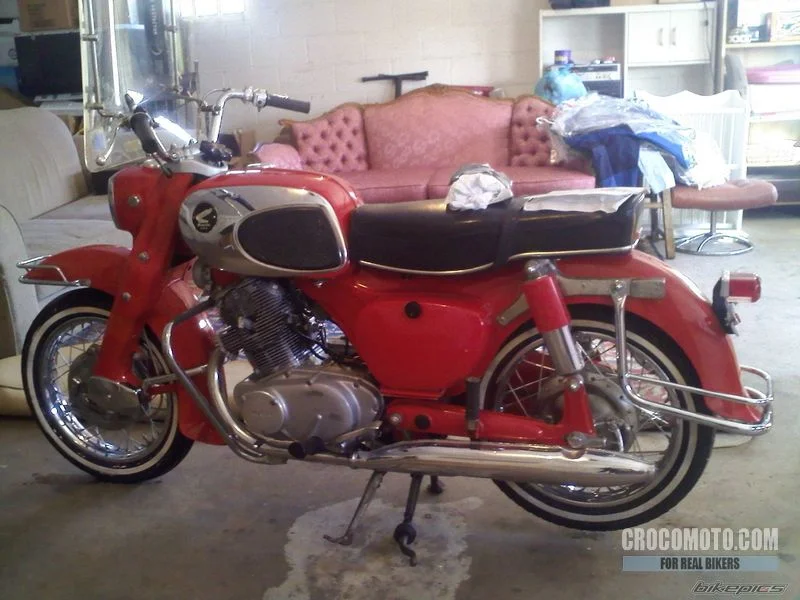
Review of 1968 Honda Dream 305
The Honda Dream 305, produced in 1968, stands as a hallmark of engineering and design in the motorcycle world. Renowned for its innovative features, this bike was equipped with a 305cc parallel-twin engine that delivered a harmonious blend of power and efficiency, making it a popular choice for both novice and experienced riders. The Dream 305 was groundbreaking for its time, incorporating electric start, a sleek design, and an advanced suspension system, which contributed to its smooth handling and comfortable ride. Its distinctive styling, highlighted by chrome accents and a streamlined body, not only caught the eye but also set the standard for future motorcycle aesthetics. The value of the Honda Dream 305 extends beyond its technical specifications; it embodies a pivotal moment in motorcycle history, representing the shift towards more reliable and accessible motorcycles. As a symbol of the 1960s motorcycle culture, it remains a sought-after classic among collectors and enthusiasts today. Its combination of nostalgia, engineering excellence, and cultural significance ensures that the Dream 305 continues to captivate those who appreciate the artistry of motorcycling. In summary, the 1968 Honda Dream 305 is not just a motorcycle; it is a lasting legacy of innovation and style that still resonates in the hearts of riders around the world.
Advantages
- Classic Design: The Honda Dream 305 features a timeless aesthetic with its retro styling, making it a favorite among vintage motorcycle enthusiasts and collectors.
- Reliability: Honda is known for its engineering quality, and the Dream 305 is no exception. Its robust build and dependable performance have made it a beloved choice for riders looking for a reliable classic bike.
- Smooth Performance: Powered by a 305cc parallel-twin engine, the Dream 305 offers a smooth and enjoyable ride, delivering adequate power for both city commuting and longer journeys.
- Comfortable Riding Position: The bike's ergonomics are designed for comfort, featuring a relaxed seating position that makes it suitable for both short rides and longer trips.
- Simplicity of Maintenance: With relatively simple mechanical components, the Dream 305 is easier to maintain and repair compared to more modern motorcycles, making it accessible for DIY enthusiasts.
Disadvantages
- Limited Power and Speed: While the Honda Dream 305 was known for its reliability, its 305cc engine may not provide the power and acceleration that some riders expect, especially when compared to modern motorcycles.
- Weight: The Dream 305 has a relatively heavy build, which can make it less maneuverable for new riders and more challenging to handle in tight situations or during low-speed maneuvers.
- Outdated Technology: Being a motorcycle from the late 1960s, it lacks modern features like electronic ignition, advanced suspension systems, and fuel injection, which can impact performance and maintenance.
- Parts Availability: While some parts are still available, sourcing specific components for a vintage bike can be challenging, and prices for original parts may be high due to their rarity.
- Comfort for Long Rides: The seating and riding ergonomics may not be as comfortable for long distances compared to contemporary touring motorcycles, potentially leading to discomfort on longer journeys.
Alternatives
- Yamaha YDS-3 (1965) The Yamaha YDS-3 is a classic 250cc two-stroke motorcycle known for its sporty design and lightweight handling. With a 6-speed transmission and a reliable engine that delivers quick acceleration, it was popular among riders looking for a spirited and agile ride. Its retro styling and performance make it a favorite among vintage motorcycle enthusiasts.
- Suzuki T20 (1966) The Suzuki T20, also known as the Super Six, features a 250cc two-stroke engine and is celebrated for its high-revving capabilities and responsive handling. With a unique 6-speed gearbox and a racing-inspired design, this bike offers a thrilling ride and was popular in its time for both street and competition use.
- Kawasaki W1 (1966) The Kawasaki W1 is a 650cc parallel-twin motorcycle that showcases classic styling reminiscent of British bikes from the same era. Known for its smooth performance and comfortable ride, the W1 features a dependable engine and is often appreciated by collectors for its vintage charm and reliability.
- BSA Lightning (1968) The BSA Lightning is a 650cc parallel-twin motorcycle that combines classic British design with impressive performance. Known for its robust torque and smooth handling, the Lightning is a versatile bike that appeals to both casual riders and enthusiasts. Its distinctive styling and powerful engine make it a notable alternative to the Honda Dream
- Triumph Bonneville T120 (1968) The Triumph Bonneville T120 is an iconic British motorcycle featuring a 650cc parallel-twin engine. Renowned for its performance and stylish design, the Bonneville has a cult following among motorcycle enthusiasts. It offers an exhilarating ride with its powerful engine and classic aesthetics, making it a perfect alternative for those drawn to retro bikes. These motorcycles each offer unique characteristics and appeal, making them worthy alternatives to the Honda Dream 305 from
Comments & Discussion