
1975 Honda CB 500 F
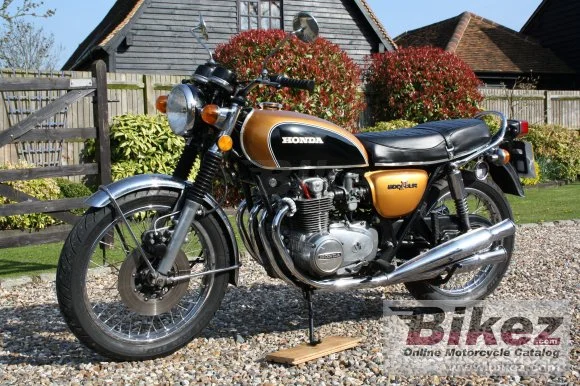
Review of 1975 Honda CB 500 F
The Honda CB 500 F, introduced in 1975, stands as a significant model in the realm of motorcycles, particularly for its innovative engineering and design that catered to a broad range of riders. Powered by a robust 491cc parallel-twin engine, the CB 500 F offered a perfect balance of performance and reliability, making it an appealing choice for both novice and experienced motorcyclists. Its lightweight chassis and nimble handling contributed to an engaging ride, while features such as a five-speed transmission and electric start underscored Honda's commitment to user-friendly technology. The bike's classic styling, with its sleek lines and distinctive tank shape, further solidified its status as an iconic representation of 1970s motorcycle design. In terms of value, the Honda CB 500 F has become a sought-after classic, celebrated for its blend of performance, style, and Honda's renowned build quality. As vintage motorcycles gain popularity among collectors and enthusiasts, the CB 500 F stands out not only for its historical significance but also for its practical usability. Riders appreciate the bike's ability to deliver a spirited performance without sacrificing comfort, making it a versatile choice for both daily commutes and weekend adventures. Overall, the Honda CB 500 F remains a testament to Honda's innovative spirit and craftsmanship, securing its place in motorcycle history and ensuring its continued appreciation among enthusiasts today.
Advantages
- Reliable Performance: The CB 500 F is known for its robust and dependable engine, delivering smooth power and a satisfying ride experience.
- Lightweight Design: With a relatively lightweight frame, this motorcycle offers excellent maneuverability, making it easy to handle both in city traffic and on winding roads.
- Comfortable Riding Position: The ergonomics of the CB 500 F provide a comfortable riding position, suitable for both short commutes and longer journeys.
- Classic Aesthetic: The design of the CB 500 F showcases classic motorcycle styling, appealing to enthusiasts who appreciate vintage aesthetics and craftsmanship.
- Ease of Maintenance: The simplicity of the engineering and the availability of parts make maintenance straightforward, which is a significant advantage for both novice and experienced riders.
Disadvantages
- Limited Power for Highway Use: While the CB 500 F offers a decent power output for urban riding, it may struggle to keep up with modern highway speeds, especially when fully loaded or with a passenger.
- Weight: The motorcycle is relatively heavy for a standard bike of its size, which can affect maneuverability, especially for newer riders or those navigating tight spaces.
- Suspension Technology: The suspension setup on the 1975 model may feel outdated compared to modern motorcycles, leading to a less comfortable ride on rough or uneven surfaces.
- Parts Availability: As a vintage motorcycle, sourcing parts can be challenging and potentially expensive, limiting the ease of maintenance and repair.
- Braking Performance: The braking system on the CB 500 F may not meet the expectations of modern riders, as it can feel less responsive and effective compared to contemporary motorcycles equipped with advanced braking technologies.
Alternatives
- Kawasaki Z1 (1972): The Kawasaki Z1 is a legendary motorcycle known for its powerful 903cc inline-four engine. It was one of the first superbikes, offering impressive performance and handling for its time. The Z1 combined a robust design with a sleek aesthetic, making it a favorite among enthusiasts.
- Yamaha XS650 (1970): The Yamaha XS650 is a classic parallel-twin motorcycle that gained popularity for its reliability and versatility. With a 654cc engine, it offered a good balance of power and comfort. The XS650 was often praised for its charming design and easy-to-handle nature, making it a great choice for both new and experienced riders.
- Suzuki GT750 (1971): The Suzuki GT750 is notable for being one of the first production motorcycles to feature a water-cooled engine. Its 736cc three-cylinder engine provided a smooth ride and ample power. Known as the Water Buffalo, the GT750 was innovative for its time and remains a distinctive choice for collectors today.
- BMW R90S (1973): The BMW R90S is a sport-touring motorcycle that combined performance with comfort. Powered by a 898cc boxer engine, it offered impressive torque and stability. Its unique styling, including a full fairing and distinctive colors, made it stand out, and it became an icon in the motorcycle world.
- Triumph T140 Bonneville (1973): The Triumph T140 Bonneville is an iconic British motorcycle with a 744cc parallel-twin engine. Known for its classic styling and rich heritage, the T140 Bonneville offered a blend of performance and nostalgia. Its engaging ride and timeless design have secured its place as a beloved classic among motorcycle enthusiasts. These alternatives provide a variety of styles and characteristics, appealing to different preferences while retaining the classic essence of motorcycles from that era.
Comments & Discussion