
1988 Kawasaki ZX-10
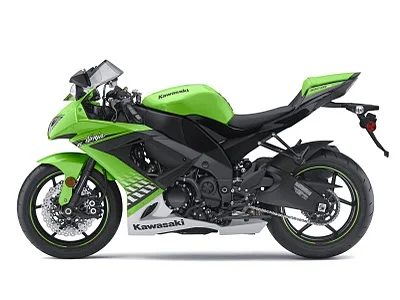
Review of 1988 Kawasaki ZX-10
The Kawasaki ZX-10, introduced in 1988, marked a significant milestone in the evolution of sport motorcycles. With its cutting-edge engineering and performance-oriented design, the ZX-10 set the bar for what a superbike could achieve. Featuring a robust 998cc inline-four engine, the ZX-10 delivered an impressive power output that allowed riders to experience exhilarating acceleration and top-end speed. Its lightweight frame and advanced suspension system provided exceptional handling, making it a favorite among track enthusiasts and street riders alike. The bike's aerodynamic styling not only contributed to its striking appearance but also enhanced its stability at high speeds. In addition to its performance capabilities, the ZX-10 was a testament to Kawasaki's commitment to innovation. With features such as a six-speed transmission and advanced braking systems, it offered a blend of power and control that appealed to a wide range of riders. The bike's legacy continues to resonate in the world of motorcycling, as it paved the way for future models and inspired a generation of sportbike enthusiasts. Today, the Kawasaki ZX-10 holds a special place in the hearts of collectors and riders who appreciate its historical significance and enduring performance, making it a valuable addition to any motorcycle enthusiast's collection.
Advantages
- Performance: The ZX-10 was powered by a robust inline-four engine that delivered impressive power and acceleration, making it a strong contender in the sportbike category of its time.
- Lightweight Design: With a lightweight frame and bodywork, the ZX-10 offered excellent handling and agility, allowing riders to maneuver easily through corners and enjoy spirited rides.
- Advanced Technology: For its era, the ZX-10 featured advanced technology such as a sophisticated suspension system and a powerful braking setup, enhancing both performance and safety.
- Aerodynamic Styling: The bike's sleek and aggressive design not only contributed to its aesthetic appeal but also improved aerodynamics, aiding in high-speed stability.
- Racing Heritage: The ZX-10 was part of Kawasaki's long-standing tradition in motorsports, and its race-bred features made it a popular choice among enthusiasts and track riders alike.
Disadvantages
- Limited Technology: Compared to modern motorcycles, the ZX-10 lacks advanced electronics such as traction control, ABS, and ride modes, which can enhance safety and performance.
- Comfort and Ergonomics: The riding position can be aggressive and may not be suitable for long-distance touring, leading to discomfort on extended rides.
- Fuel Efficiency: The performance-oriented engine may not be the most fuel-efficient, resulting in higher running costs, especially for daily commuting.
- Weight Distribution: Some riders may find the weight distribution to be less favorable, affecting handling, particularly at lower speeds or during tight maneuvers.
- Parts Availability: As an older model, finding replacement parts can be challenging, and availability may be limited, potentially leading to longer repair times.
Alternatives
- Suzuki GSX-R750 (1988) - The GSX-R750 is a legendary sportbike known for its lightweight frame and powerful engine. In 1988, it featured a 750cc inline-four engine that provided an excellent balance of power and handling, making it a favorite among sport riders and racers alike.
- Honda CBR600F (1988): The CBR600F was one of the pioneering models in the supersport category, offering a great mix of performance and comfort. Its 600cc engine delivered impressive acceleration, while its sporty ergonomics made it suitable for both track days and daily riding.
- Yamaha FZR1000 (1988): The FZR1000 was a powerhouse in the late '80s, boasting a 1,000cc engine that offered exhilarating performance. It was equipped with advanced features for its time, including a delta box frame for improved handling and a race-inspired design, appealing to speed enthusiasts.
- Kawasaki Ninja ZX-7 (1989) - While slightly newer, the ZX-7 was a direct evolution of Kawasaki's sportbike lineage. With a 748cc engine, it provided a more refined and focused riding experience, complementing the ZX-10's aggressive styling and performance traits, making it a strong contender in the sportbike category.
- Ducati 851 (1988): The Ducati 851 was a groundbreaking sportbike known for its innovative use of fuel injection and liquid cooling. With a 851cc L-twin engine, it offered distinctive Italian styling and a unique character that set it apart from its Japanese counterparts, appealing to riders seeking something different. These motorcycles represent a blend of performance, technology, and the spirit of the late '80s sportbike scene, similar to what the Kawasaki ZX-10 offered at that time.
Comments & Discussion